Certified Stump Grinding Complete Care
Explore all-inclusive tree service options for a more vibrant landscape.
Comprehensive tree service practices play a essential role in sustaining a well-kept landscape. Proper tree care doesn't just enhances visual beauty but also contributes to environmental stability. Familiarizing yourself with the different services provided can help property owners make informed decisions. Yet, many may overlook the lasting benefits that professional tree care provides. This overview will look at key aspects of tree services and their impact on landscape health. This perspective may change how one looks at their outdoor space significantly.
Grasping the Value of Tree Care
Tree care is necessary for maintaining the vitality and lifespan of trees, as it directly impacts the surrounding ecosystem and increases property value. Effective tree care includes a range of methods, including trimming, watering, and watching out for pests and diseases. Vibrant trees aid in improved air quality, offer cooling, and help nature thrive by offering habitats for various species. Furthermore, well-maintained trees can greatly increase property appeal, attracting potential buyers and improving market value.
Ignoring tree care can lead to weakened structures, making them susceptible to disease and environmental challenges. This can cause hazardous conditions, such as falling branches or uprooted trees, posing risks to people and property. Furthermore, the beauty of landscapes decreases when trees are not properly cared for. In conclusion, understanding the importance of tree care is crucial for ensuring not only the vitality of the trees themselves but also the stability of the broader environment.
Common Tree Services and Their Value
Common tree services, such as pruning and trimming, play an essential role in maintaining the health and aesthetics of trees. Furthermore, tree removal may become necessary for safety reasons or to halt disease spread. Knowing about these services can help property owners make informed decisions for their landscapes.
Techniques for Pruning and Trimming
While maintaining the health and aesthetics of a landscape, pruning and trimming techniques play an essential role in tree care. These practices involve selectively removing specific branches to enhance a tree's structure, foster robust growth, and improve air circulation and sunlight exposure. Routine pruning assists in avoiding diseases and pest infestations by taking away diseased or dead material. Trimming, on the other hand, focuses on shaping the tree and maintaining its size, preventing it from hindering pathways or structures. Successful pruning techniques can boost the yield of fruit in fruit-bearing trees and improve bloom quality in ornamental varieties. Applying these practices not only contributes to the overall beauty of the landscape but also supports the long-term health of the trees within it.
Tree Removal Necessities
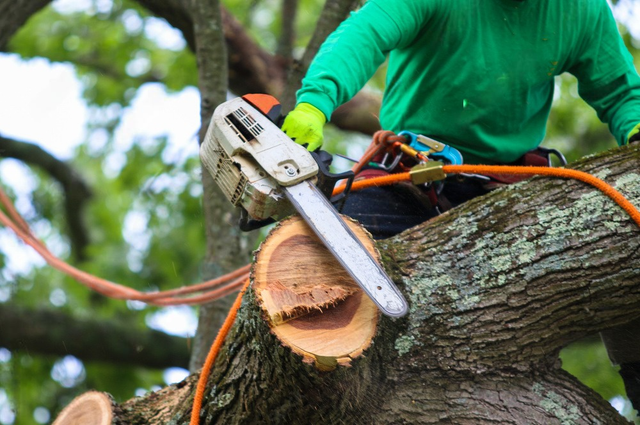
Tree removal is frequently a required choice for both property owners and managers, especially when safety, health, or aesthetics are at stake. Trees that are compromised in structure, dead, or sick can create major hazards, such as total failure or dropping limbs. In addition, overgrown trees may block out the sun or interfere with yard work. Professional tree removal services guarantee that these trees are safely and efficiently taken down, lessening the risk of accidents. Moreover, these services often include stump removal, which removes the danger of tripping and opens up possibilities for future planting. Finally, timely tree removal not only enhances the overall appearance of a property but also fosters a more robust environment by encouraging nearby vegetation to thrive.
The Importance of Trimming and Pruning Trees
Effective tree pruning and trimming are vitally important in preserving the beauty and vitality of trees. This practice involves selectively removing branches to improve air circulation, light penetration, and the tree's general form. By removing unhealthy or dead branches, pruning helps prevent the spread of potential issues, keeping the tree vigorous and healthy.
Routine trimming doesn't just boost the tree's aesthetics but also encourages new growth, shaping the canopy for ideal beauty. It is also crucial for security; overgrown branches may pose hazards to nearby structures and individuals.
In addition, performing proper pruning may increase the longevity of a tree, enabling it to flourish where it is planted. Homeowners and landscapers alike profit by recognizing the significance of this practice, as it fosters a healthier landscape and contributes to the overall ecological balance of the area. In the end, tree pruning and trimming are fundamental components of effective tree care.
Managing Pest Infestations and Diseases
Proper tree maintenance necessitates knowledge of typical pests and illnesses that may endanger the health of trees. Identifying these issues early is essential for implementing suitable prevention methods. This section will explore methods for identifying pest problems and stopping the spread of disease in trees.
Identifying Common Pests
To keep trees healthy, it is crucial to recognize common pests that might cause outbreaks and illnesses. Various insects, such as bark beetles, spider mites, and aphids, may inflict serious harm if left unchecked (Stillwater Tree Service). Symptoms of infestation often feature leaves changing color, failing branches, or visible insects on the tree. Additionally, pests like the emerald ash borer and gypsy moth may seriously affect tree health and longevity. Mycelial diseases, often exacerbated by pest activity, may manifest as unusual growths or leaf spots. Routine checks are crucial for early detection, allowing for timely interventions. Knowing about these frequent pests, homeowners and landscapers can better protect their trees and foster a generally healthier landscape
Tactics for Disease Avoidance
To guarantee the health and longevity of trees, using proactive disease avoidance techniques is vital when dealing with both pest infestations and disease management. Frequent examinations facilitate the swift discovery of diseases and pests, making interventions swift. Integrated Pest Management (IPM) techniques, such as fostering beneficial insects and applying natural remedies, can effectively reduce pest populations while minimizing chemical use. Furthermore, maintaining proper tree care practices—such as mulching, pruning, and sufficient watering—makes trees stronger, making them more resistant to illness. Teaching site managers regarding seasonal dangers and environmental factors that contribute to tree health is critical. By fostering a proactive approach, neighborhoods can improve the durability of their landscapes against pests and diseases, securing flourishing trees for those who follow.
Improving the Look of Your Landscape With Expert Assistance
When property owners look to enhance the attractiveness of their outdoor spaces, expert arboricultural help play a pivotal role in making the landscape try now more beautiful. Skilled arborists provide expertise in tree maintenance, pruning, and shaping, which not only encourage vigorous development but also refine the overall appearance of trees. By eliminating dead or overly long branches, experts are able to achieve a more harmonious and attractive outdoor space.
Moreover, tree specialists can assist in picking appropriate varieties and locating the trees to match current plant life, creating synergy within the landscape. Seasonal clean-up services also help create a refined aesthetic, clearing away waste and improving the view of important components.
Additionally, properly cared-for trees can serve as focal points, highlighting gardens and outdoor living spaces. Through these thorough services, property owners are able to create a lively and welcoming atmosphere, mirroring their unique preferences while securing the durability of their landscape investments.
Choosing the Right Tree Service Provider for Your Needs
What steps should property owners take to ensure they choose the right tree service provider for their specific needs? Initially, they need to investigate local companies, focusing on their credentials, experience, and client feedback. A reputable provider usually holds official credentials and insurance, ensuring compliance with industry regulations and are covered against potential risks.
Next, homeowners should request quotes from various services, evaluating the work proposed and pricing structures. This helps to identify those who deliver value without compromising quality. It’s also essential to inquire about the types of tree services provided, such as pruning, removal, or disease management, to confirm alignment with unique property demands.
Lastly, having a face-to-face discussion with candidate services can reveal their communication style and professionalism. By considering these factors, homeowners can securely pick a tree service provider that satisfies their needs and helps create a better environment.
Common Questions
How frequently should trees be inspected for signs of disease?
Trees should be inspected at least once a year for potential problems. Regular assessments help identify problems early, allowing for quick treatment and boosting the tree's vitality, ultimately contributing to a healthier landscape environment.
What Is the Best Time for Tree Planting?
The optimal season for tree planting is most often in the beginning of spring or the end of the year. During these seasons, temperatures are moderate, helping roots take hold before the summer heat arrives or the cold of winter.
Do arborists help with Stump Removal?
Yes, tree services can handle stump removal. They use specific machinery and techniques to efficiently remove stumps, leaving a neater outdoor space and preventing potential hazards, pests, or diseases linked to rotting wood.
Are There Any Eco-Friendly Tree Care Options on the market?

Sustainable tree maintenance methods include natural feeding products, natural pest control, and responsible cutting techniques. Such practices boost tree vitality while lessening the ecological footprint, leading to better natural systems and less reliance on chemicals in landscaping and tree maintenance.
What steps should I take to get My Trees for Winter?
To prepare trees for winter, it is important to cut off dead limbs, apply a layer of mulch at the base, ensure sufficient watering before freezing, and it's wise to wrap the tree trunks to protect against harsh drafts and sun damage, promoting long-term survival and durability. - Stillwater Tree Service